
More insights.

SUBSCRIBE TO OUR NEWSLETTER.
Where the COLLAB team shares updates on our latest projects, industry milestones, and expert insights into the rapidly evolving creator economy, brand innovation, and cultural trends shaping consumer behaviour.
The old way: You put keywords into your website and metadata and build a content plan around those keywords and hope Google ranks you on page one.
The new way: AI tools like ChatGPT, Gemini, and Google's AI summaries don't just match words. They figure out who and what your brand actually is, and whether real people trust it.
What AI is really looking for
AI doesn't care about clever keywords. It cares about "entities", clearly defined things it can recognise and connect together:
A person (MrBeast, The Sidemen)
A place (Tesco, SIDES Restaurants)
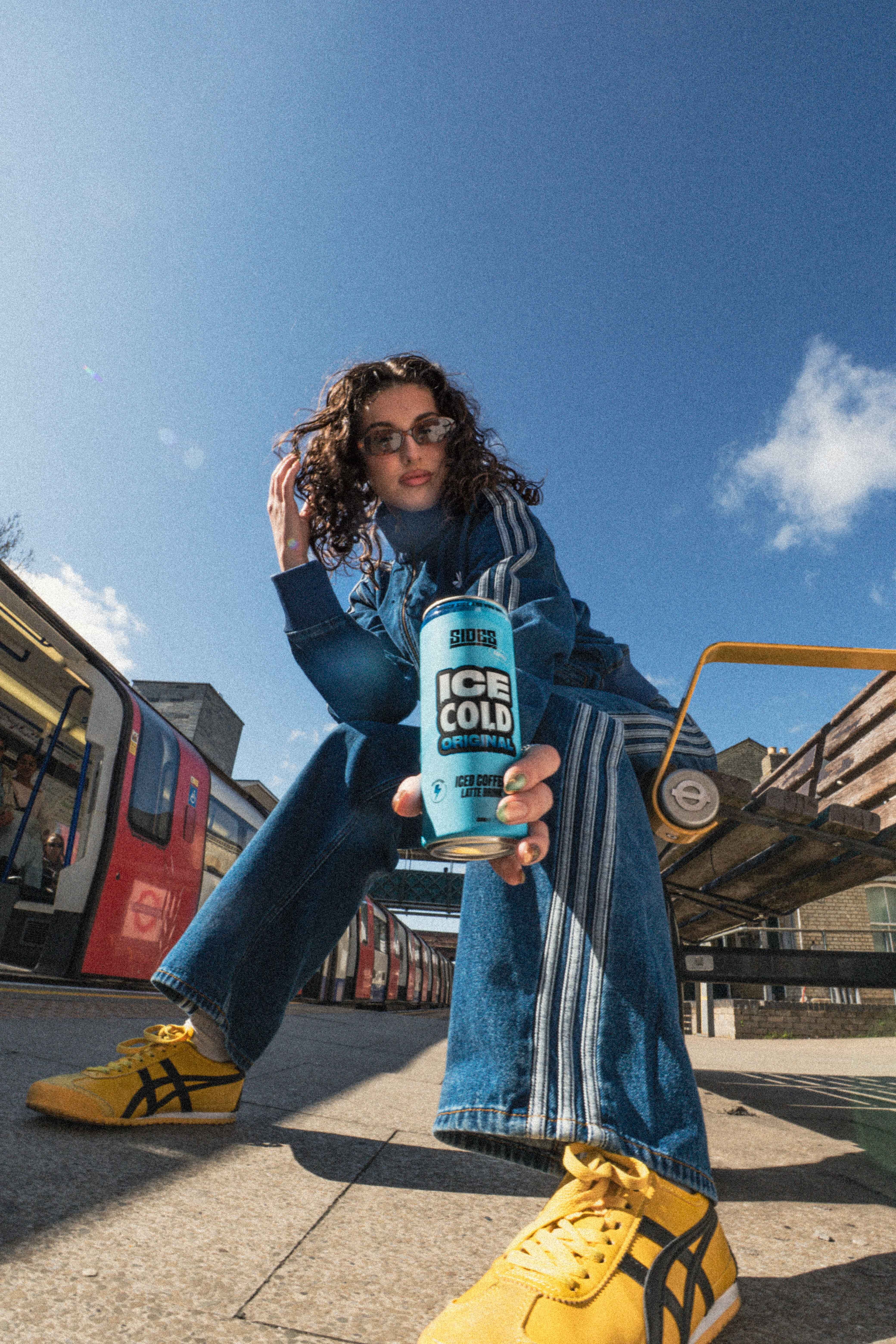
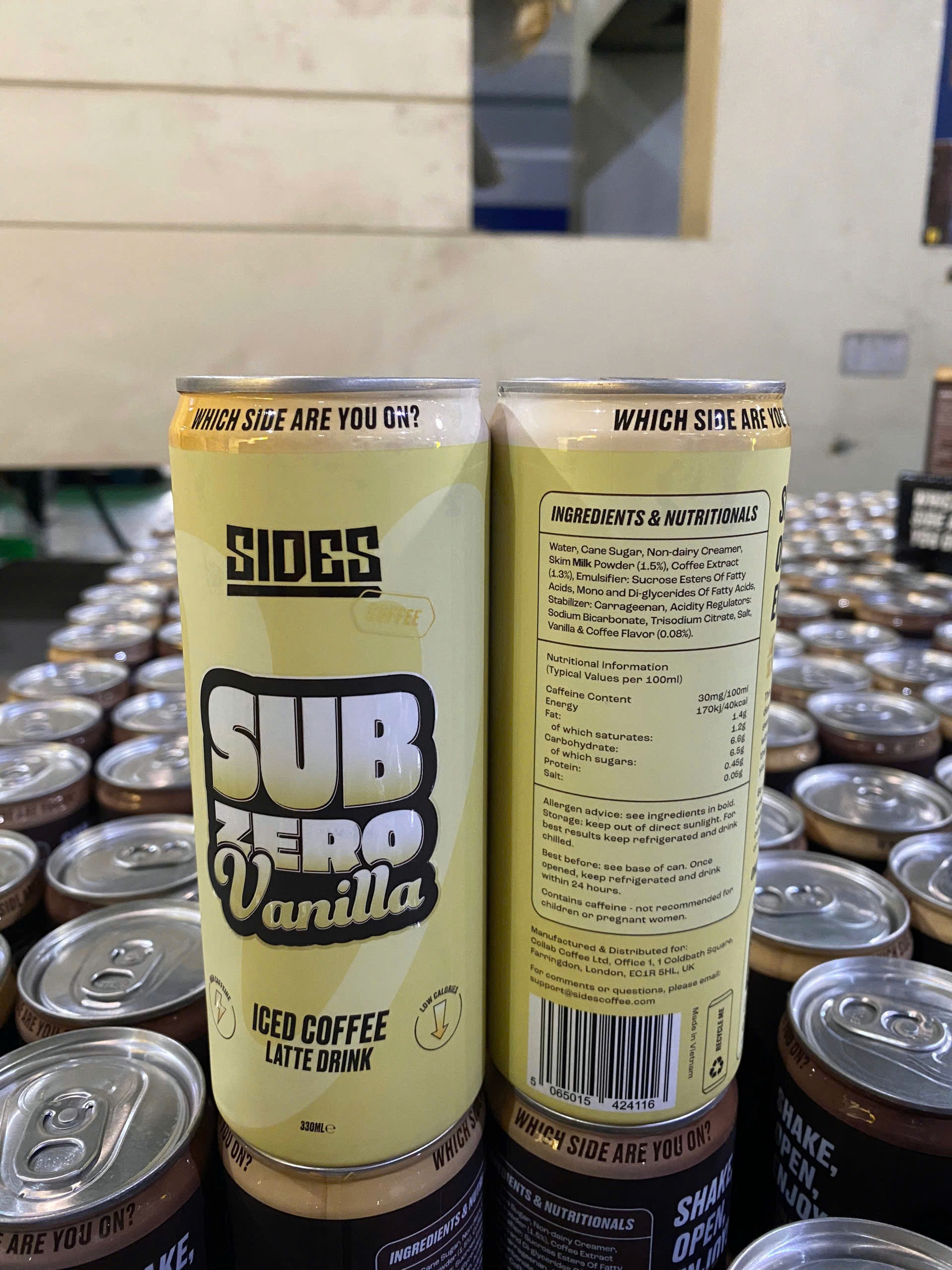
A product (Feastables, SIDES Coffee)
When AI can link a person to a product to a place, and see thousands of real people talking about it, it treats that brand as a trustworthy answer.
Why creator brands are winning in Search
Creators have a built-in advantage: a huge audience already talking about them online. By the time a creator's product reaches a shop shelf, it's already been tested on social media, TikTok Shop, and Amazon. The buzz is real, the demand is proven.
AI picks up on this chatter, things like Reddit posts, reviews, and social comments, and uses it as evidence. If 50,000 fans are saying "SIDES Coffee is great," AI takes that as a strong signal and starts recommending it.
The catch: Trust is fragile
This only works if the product is good. AI is getting better at spotting hype with nothing behind it. Launch an average product, the chatter turns negative, and AI will pick up on that just as fast.
The bottom line
Old search: be found. New search: be known.
Your website isn't a static page anymore. It's part of a bigger conversation happening across the internet. The brands AI recommends are the ones with a genuine audience, a real product, and consistent positive buzz tying it all together.
The old way: You put keywords into your website and metadata and build a content plan around those keywords and hope Google ranks you on page one.
The new way: AI tools like ChatGPT, Gemini, and Google's AI summaries don't just match words. They figure out who and what your brand actually is, and whether real people trust it.
What AI is really looking for
AI doesn't care about clever keywords. It cares about "entities", clearly defined things it can recognise and connect together:
A person (MrBeast, The Sidemen)
A place (Tesco, SIDES Restaurants)
A product (Feastables, SIDES Coffee)
When AI can link a person to a product to a place, and see thousands of real people talking about it, it treats that brand as a trustworthy answer.
Why creator brands are winning in Search
Creators have a built-in advantage: a huge audience already talking about them online. By the time a creator's product reaches a shop shelf, it's already been tested on social media, TikTok Shop, and Amazon. The buzz is real, the demand is proven.
AI picks up on this chatter, things like Reddit posts, reviews, and social comments, and uses it as evidence. If 50,000 fans are saying "SIDES Coffee is great," AI takes that as a strong signal and starts recommending it.
The catch: Trust is fragile
This only works if the product is good. AI is getting better at spotting hype with nothing behind it. Launch an average product, the chatter turns negative, and AI will pick up on that just as fast.
The bottom line
Old search: be found. New search: be known.
Your website isn't a static page anymore. It's part of a bigger conversation happening across the internet. The brands AI recommends are the ones with a genuine audience, a real product, and consistent positive buzz tying it all together.