
More insights.

SUBSCRIBE TO OUR NEWSLETTER.
Where the COLLAB team shares updates on our latest projects, industry milestones, and expert insights into the rapidly evolving creator economy, brand innovation, and cultural trends shaping consumer behaviour.
Let me tell you something that most people in this industry are still quietly ignoring.
When Forbes published their Top Creators List in 2025, the conversation in a lot of boardrooms was the same tired one. Follower counts, engagement rates, brand deal values. But I looked at that list and saw something completely different. I didn't see a fame ranking. I saw a valuation ranking. I saw entrepreneurs with private equity backing, nine-figure exit trajectories, and genuine balance sheets. I saw the same energy that built the insurgent CPG brands of the last decade, just wearing a different outfit.
If you're a creator reading this and you're still measuring your success by your last sponsored post, I need you to hear this clearly: you are a freelance advertiser for someone else's company. And the longer you stay in that lane, the more money you are leaving on the table for someone who will never put your name on the label.

The Insurgent Reality Nobody's Talking About Loudly Enough
Here's a number that should make every legacy CPG executive deeply uncomfortable. According to NIQ and Bain, insurgent brands represent less than 2% of the total brand landscape and yet they are driving approximately 50% of all category growth. Read that again.
Legacy CPG is stagnant. The big players are watching their market share quietly erode while spending nine figures on traditional marketing to defend it. Meanwhile, creator-owned brands are walking onto shelves without having to "buy" their way in, because their audience is already there, already warm, already trusting.
In our experience at COLLAB, creator-owned brands are hitting a 3x higher Rate of Sale in their first six months compared to traditional startups. That's not a marketing win. That's a structural advantage baked into the DNA of the business before a single unit ships.
Endorsements Are Renting. Equity Is Owning.
There's a distinction I make constantly, and I'll make it here too because it matters enormously, both economically and strategically.
A product endorsement is a transaction. A creator lends their face, their voice, and their audience's attention to a brand in exchange for a fee. The audience, particularly Gen Z, has become extraordinarily good at sniffing this out. Kearney's 2024 research on US consumer buying behaviour found that 66% of Gen Z consumers trust creator-led products, while only 14% trust traditional celebrity endorsements. That gap is not a marketing problem. That is a credibility crisis for the old model.
When a creator has genuine equity in a brand, when they're in the room when the formulation is decided, when they're arguing about the packaging at 11pm, when the product has to be right because their name is actually on it, the audience can feel that. Authenticity isn't a marketing strategy. It's an economic moat. It is hard to replicate and almost impossible to buy.
The Economics Are Just Better
I want to get into the numbers for a moment because this is where the conversation needs to move. We've been talking about the creator economy in terms of reach and relevance for too long. Let's talk about CAC.
McKinsey's 2024 research showed that creator-led brands carry a 40 to 60% lower Customer Acquisition Cost compared to traditionally launched consumer brands. In a market where Facebook and Google advertising has effectively become a growth tax, where you're paying to reach people who are already exhausted by being advertised to, a pre-acquired, high-trust audience is a serious competitive advantage.
We don't just talk to consumers after the product is built. We iterate in real time. Our R&D happens in the comments section. A creator posts about a flavour, a texture, a use case, and the feedback loop closes in hours, not quarters. That pace of iteration would make most traditional CPG innovation teams physically uncomfortable.
The retailer data backs this up too. Tesco's 2023/24 earnings commentary specifically cited creator-led brands as traffic drivers. Retailers are not stocking these products as a favour to the culture. They're stocking them because they move.
So Where Does COLLAB Come In?
Here's the truth about most creator-brand failures, and there have been some notable ones. It's not usually a trust problem or an audience problem. It's an execution problem.
Creators are exceptional brand builders. They understand their audience at a level that most marketing departments spend millions trying to reverse-engineer. What they often don't have, and shouldn't be expected to have, is the supply chain infrastructure, the regulatory compliance knowledge, the retail logistics relationships, and the operational grit to turn hype into a functioning, scalable business.
That's what we built COLLAB to be. We're the infrastructure layer. We handle the headache of the Operator so the creator can remain what they're brilliant at being, the Brand Builder. We don't just launch products. We operationalise influence.
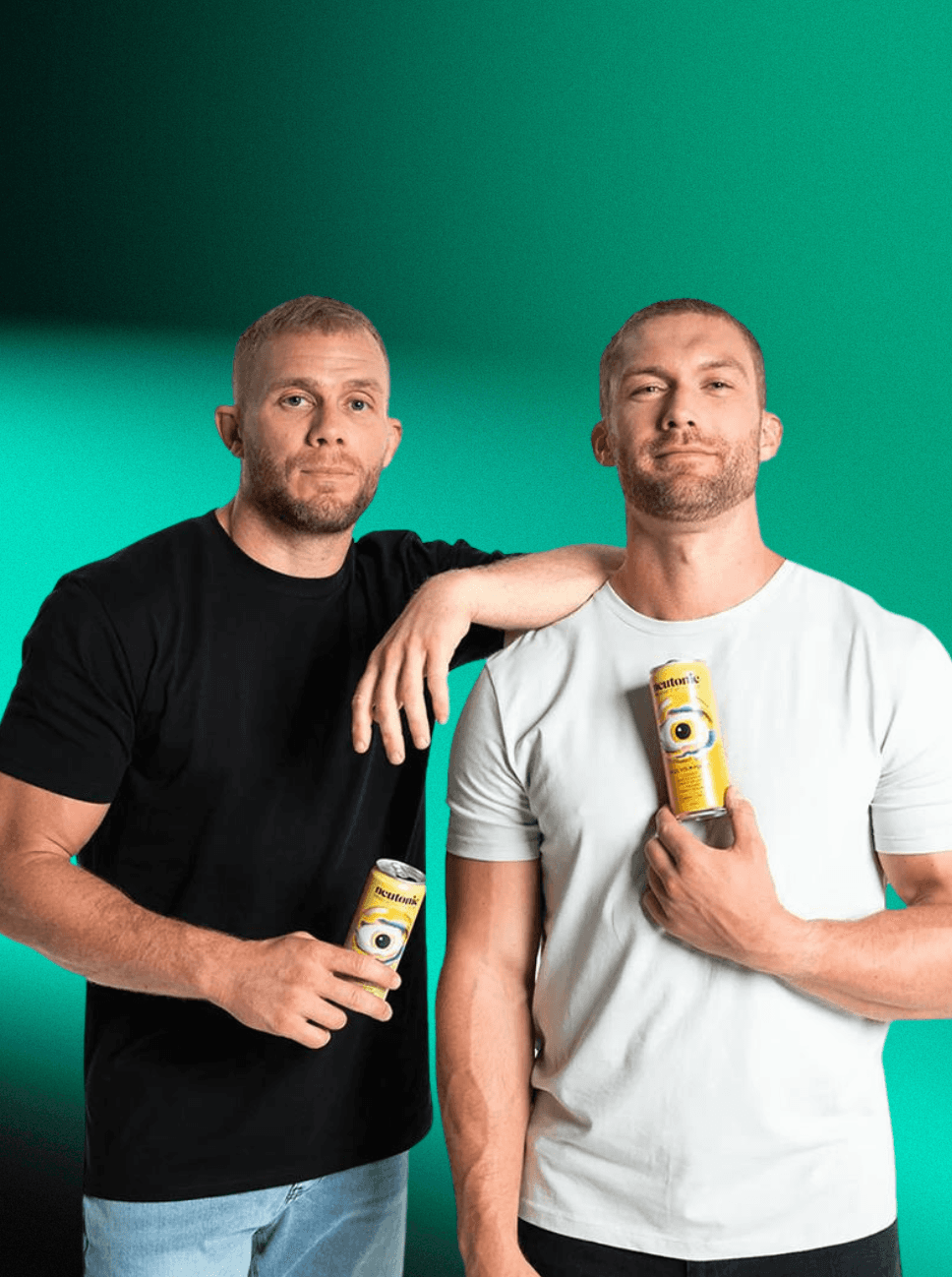
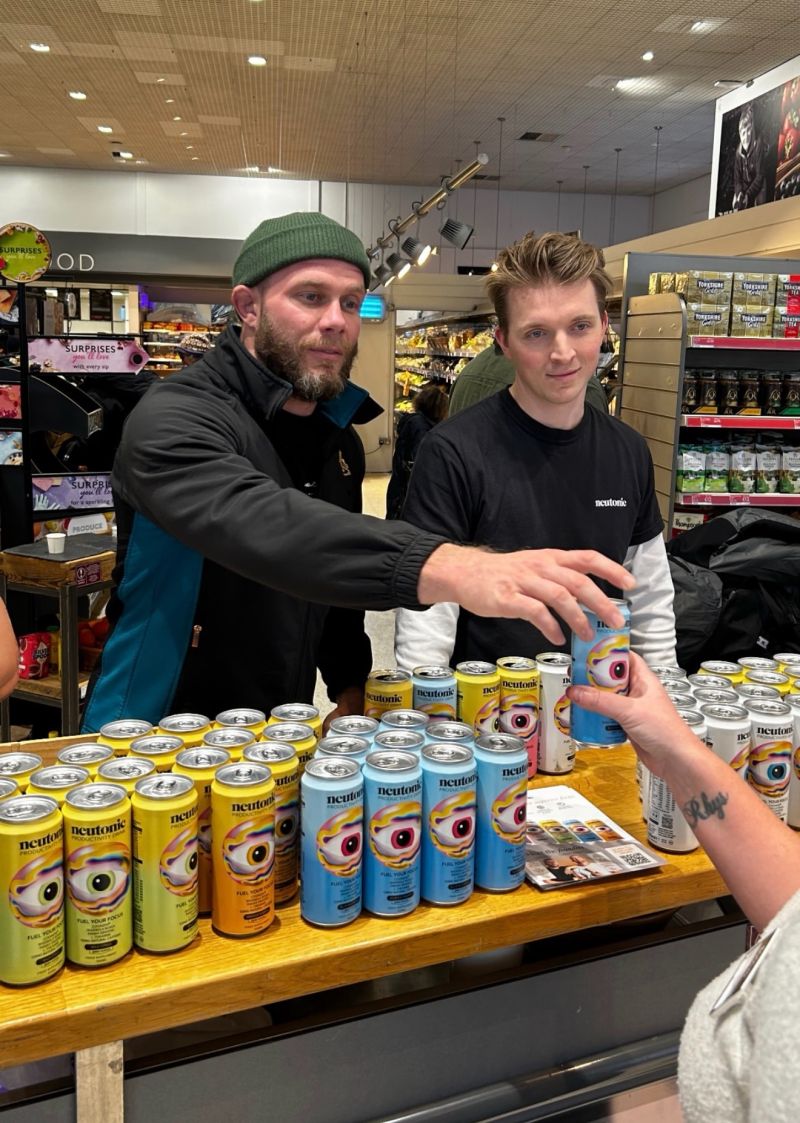
A brand that illustrates what real creator involvement looks like is Neutonic. Watch what Chris Williamson and James Smith are actually doing with that business. They're not just posting about it. They're flying around the country, walking into retailers, doing in-store deals, and talking directly to customers on the shop floor. James Smith has even been known to personally offer refunds to customers who aren't happy with the product. Think about that for a second. A founder personally standing behind every single unit. If that doesn't tell you everything about the difference between a creator who's genuinely invested in a product and one who's just cashing a cheque, I don't know what does. That's the standard. That's the energy that builds brands with staying power.
The Final Word on Trust
A creator's greatest asset isn't a follower count. It isn't a monthly reach figure or a TikTok view average. It's the trust they've spent years, sometimes a decade, building with a real community of real people.
A lazy product is the fastest way to burn that trust. And once it's gone, no amount of content output gets it back.
If a product can't stand on its own merits, if it wouldn't hold its own on a retail shelf without the creator's face on the front of it, then it has no business being on that shelf. Full stop.
That's the standard we hold ourselves to at COLLAB, and it's the standard I'd challenge every creator, every investor, and every retail buyer to apply.
The endorsement era is winding down. The ownership era is already here.
The only question is whether you're building equity in it, or watching from the sidelines while someone else does.
Let me tell you something that most people in this industry are still quietly ignoring.
When Forbes published their Top Creators List in 2025, the conversation in a lot of boardrooms was the same tired one. Follower counts, engagement rates, brand deal values. But I looked at that list and saw something completely different. I didn't see a fame ranking. I saw a valuation ranking. I saw entrepreneurs with private equity backing, nine-figure exit trajectories, and genuine balance sheets. I saw the same energy that built the insurgent CPG brands of the last decade, just wearing a different outfit.
If you're a creator reading this and you're still measuring your success by your last sponsored post, I need you to hear this clearly: you are a freelance advertiser for someone else's company. And the longer you stay in that lane, the more money you are leaving on the table for someone who will never put your name on the label.
The Insurgent Reality Nobody's Talking About Loudly Enough
Here's a number that should make every legacy CPG executive deeply uncomfortable. According to NIQ and Bain, insurgent brands represent less than 2% of the total brand landscape and yet they are driving approximately 50% of all category growth. Read that again.
Legacy CPG is stagnant. The big players are watching their market share quietly erode while spending nine figures on traditional marketing to defend it. Meanwhile, creator-owned brands are walking onto shelves without having to "buy" their way in, because their audience is already there, already warm, already trusting.
In our experience at COLLAB, creator-owned brands are hitting a 3x higher Rate of Sale in their first six months compared to traditional startups. That's not a marketing win. That's a structural advantage baked into the DNA of the business before a single unit ships.
Endorsements Are Renting. Equity Is Owning.
There's a distinction I make constantly, and I'll make it here too because it matters enormously, both economically and strategically.
A product endorsement is a transaction. A creator lends their face, their voice, and their audience's attention to a brand in exchange for a fee. The audience, particularly Gen Z, has become extraordinarily good at sniffing this out. Kearney's 2024 research on US consumer buying behaviour found that 66% of Gen Z consumers trust creator-led products, while only 14% trust traditional celebrity endorsements. That gap is not a marketing problem. That is a credibility crisis for the old model.
When a creator has genuine equity in a brand, when they're in the room when the formulation is decided, when they're arguing about the packaging at 11pm, when the product has to be right because their name is actually on it, the audience can feel that. Authenticity isn't a marketing strategy. It's an economic moat. It is hard to replicate and almost impossible to buy.
The Economics Are Just Better
I want to get into the numbers for a moment because this is where the conversation needs to move. We've been talking about the creator economy in terms of reach and relevance for too long. Let's talk about CAC.
McKinsey's 2024 research showed that creator-led brands carry a 40 to 60% lower Customer Acquisition Cost compared to traditionally launched consumer brands. In a market where Facebook and Google advertising has effectively become a growth tax, where you're paying to reach people who are already exhausted by being advertised to, a pre-acquired, high-trust audience is a serious competitive advantage.
We don't just talk to consumers after the product is built. We iterate in real time. Our R&D happens in the comments section. A creator posts about a flavour, a texture, a use case, and the feedback loop closes in hours, not quarters. That pace of iteration would make most traditional CPG innovation teams physically uncomfortable.
The retailer data backs this up too. Tesco's 2023/24 earnings commentary specifically cited creator-led brands as traffic drivers. Retailers are not stocking these products as a favour to the culture. They're stocking them because they move.
So Where Does COLLAB Come In?
Here's the truth about most creator-brand failures, and there have been some notable ones. It's not usually a trust problem or an audience problem. It's an execution problem.
Creators are exceptional brand builders. They understand their audience at a level that most marketing departments spend millions trying to reverse-engineer. What they often don't have, and shouldn't be expected to have, is the supply chain infrastructure, the regulatory compliance knowledge, the retail logistics relationships, and the operational grit to turn hype into a functioning, scalable business.
That's what we built COLLAB to be. We're the infrastructure layer. We handle the headache of the Operator so the creator can remain what they're brilliant at being, the Brand Builder. We don't just launch products. We operationalise influence.
A brand that illustrates what real creator involvement looks like is Neutonic. Watch what Chris Williamson and James Smith are actually doing with that business. They're not just posting about it. They're flying around the country, walking into retailers, doing in-store deals, and talking directly to customers on the shop floor. James Smith has even been known to personally offer refunds to customers who aren't happy with the product. Think about that for a second. A founder personally standing behind every single unit. If that doesn't tell you everything about the difference between a creator who's genuinely invested in a product and one who's just cashing a cheque, I don't know what does. That's the standard. That's the energy that builds brands with staying power.
The Final Word on Trust
A creator's greatest asset isn't a follower count. It isn't a monthly reach figure or a TikTok view average. It's the trust they've spent years, sometimes a decade, building with a real community of real people.
A lazy product is the fastest way to burn that trust. And once it's gone, no amount of content output gets it back.
If a product can't stand on its own merits, if it wouldn't hold its own on a retail shelf without the creator's face on the front of it, then it has no business being on that shelf. Full stop.
That's the standard we hold ourselves to at COLLAB, and it's the standard I'd challenge every creator, every investor, and every retail buyer to apply.
The endorsement era is winding down. The ownership era is already here.
The only question is whether you're building equity in it, or watching from the sidelines while someone else does.