
More insights.

SUBSCRIBE TO OUR NEWSLETTER.
Where the COLLAB team shares updates on our latest projects, industry milestones, and expert insights into the rapidly evolving creator economy, brand innovation, and cultural trends shaping consumer behaviour.
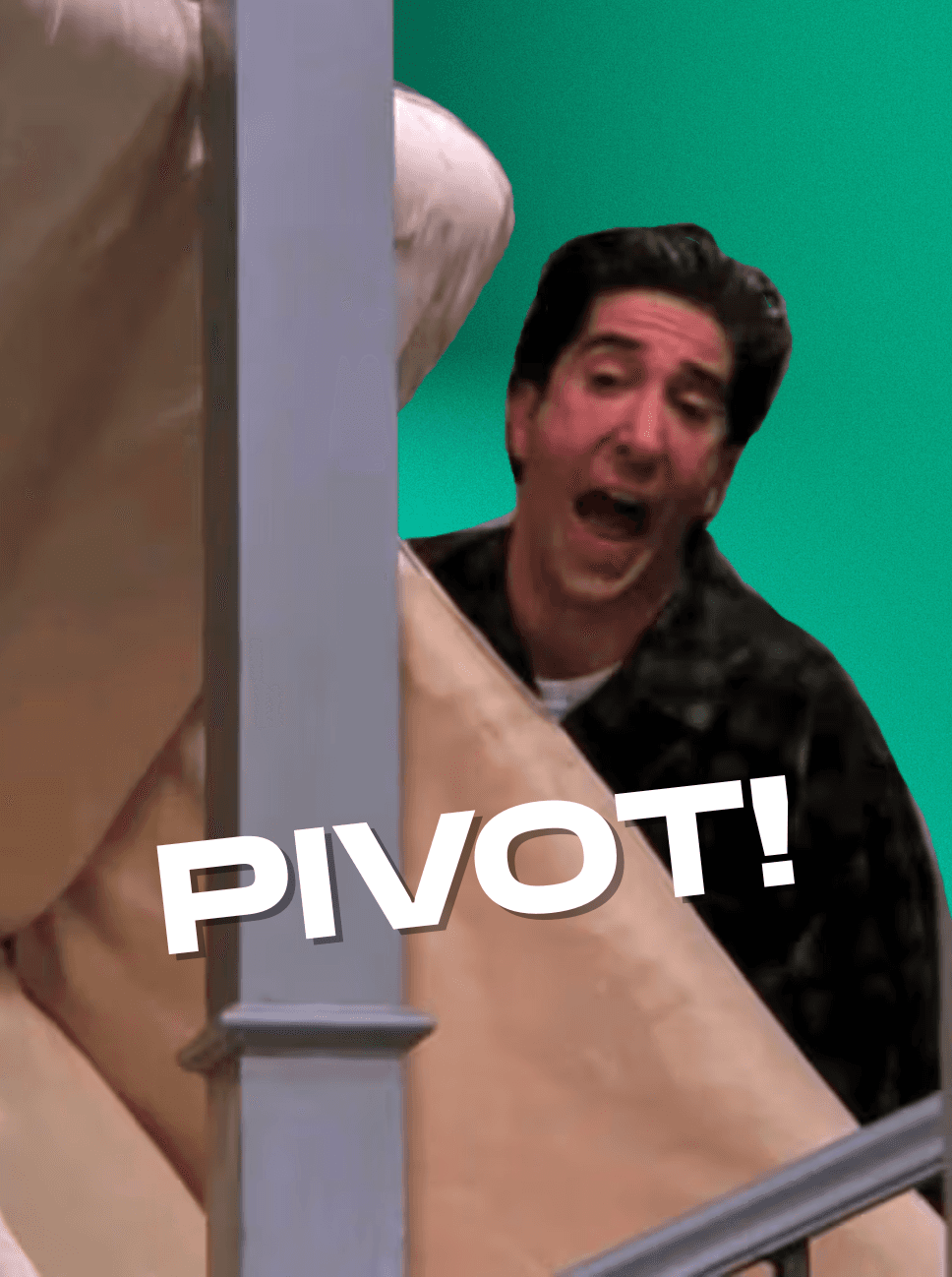
Picture this: You’re deep into a major project. Everything’s humming along, milestones being checked off, Gantt charts looking great. This is the flow state of the corporate world. And then it happens. A dark cloud drifts in, labelled ‘new social media trend’, ‘ingredient shortage’ ‘last-minute packaging change’ or ‘an influencer changing their mind at the eleventh hour’.
Most project managers would shudder. Usually, I would too. But in the creator world, that’s when things get interesting.
In this blog, I’ll share what it’s really like behind the scenes at COLLAB: how we navigate the unpredictable and how we turn pivots into wins.
By the end, you’ll see why ‘scope creep’ isn’t the enemy. It’s just part of what makes creator-led launches fast-moving and, when handled right, incredibly rewarding.
Ditching the Textbook (The Traditional PM Trap)
When I first started overseeing celebrity and creator-led brand launches, I quickly realised the traditional project management rulebook I’d relied on was more of a suggestion. Rigid timelines and Gantt charts can work in corporate projects, but in the creator world? They’re outdated. Creators move fast, trends shift, and inspiration hits at the most unexpected of times. If we stuck strictly to the textbook, launches would either miss the mark or feel stale by the time they went live.
Don’t get it twisted: flexibility isn’t compromising, it’s strategy. I’ve learned to lean into the chaos and treat ‘scope creep’ as a signal that something in the project needs to evolve. Instead of fearing change, at COLLAB, we build systems that adapt with it. Cross-functional teams, open communication, and workflows designed to pivot without breaking are my winning formula.
It’s not easy, and it definitely wasn’t what my project management courses taught me. Yes, the traditional playbook might keep you safe, but in this environment, ditching it when needed is what keeps us relevant.
Launching in a World That Won’t Wait
In the creator world, trends move at lightning speed and they don’t wait for a launch schedule. One week, a flavour is on trend. The next, TikTok has hyperfixated on something new (although it feels as though we’re not loosening our grip on pistachio anytime soon). Sometimes a platform update drops, a competitor launches something annoyingly similar, or a creator’s audience suddenly resonates with a different aesthetic. And then there are even bigger curveballs, like a celebrity’s schedule shifting at the last minute.
Instead of panicking, I take it as a signal. I ask myself whether the change gets us closer to the audience or makes the product feel more relevant. If yes, we lean in and pivot. If not, we stay the course. The tricky part is figuring out quickly what actually matters and ignoring everything else that could pull focus.
It can be a lot to keep up with, but that’s part of what keeps the work engaging. Watching trends, keeping an eye on competitors, and really listening to creators helps us keep launches fresh and often ahead of the curve.
Managing the Chaos
Managing creator-led launches means accepting that moving parts are the norm. Regulations, packaging specs, content and schedules are all shifting at once, and the job is less about stopping that movement and more about guiding it.
Clear communication makes the biggest difference. When everyone knows what’s happening, who owns what, and what can shift, last minute changes feel manageable instead of overwhelming.
It also helps to have the right tools in place. Flexible systems, shared calendars, and visual workflows make it easier to adjust quickly without losing sight of the bigger picture.
Just as important is knowing what can and can’t change. Some elements, like content or visuals, are designed to flex. Others, like regulatory approvals or ingredient sourcing, are fixed. Understanding that distinction allows the team to make faster, smarter calls when adjustments are needed.
With the right structure in place, chaos doesn’t slow a launch down. It becomes something you can work with. And sometimes, the unexpected shifts end up strengthening the final result.
When a Pivot Saved the Day
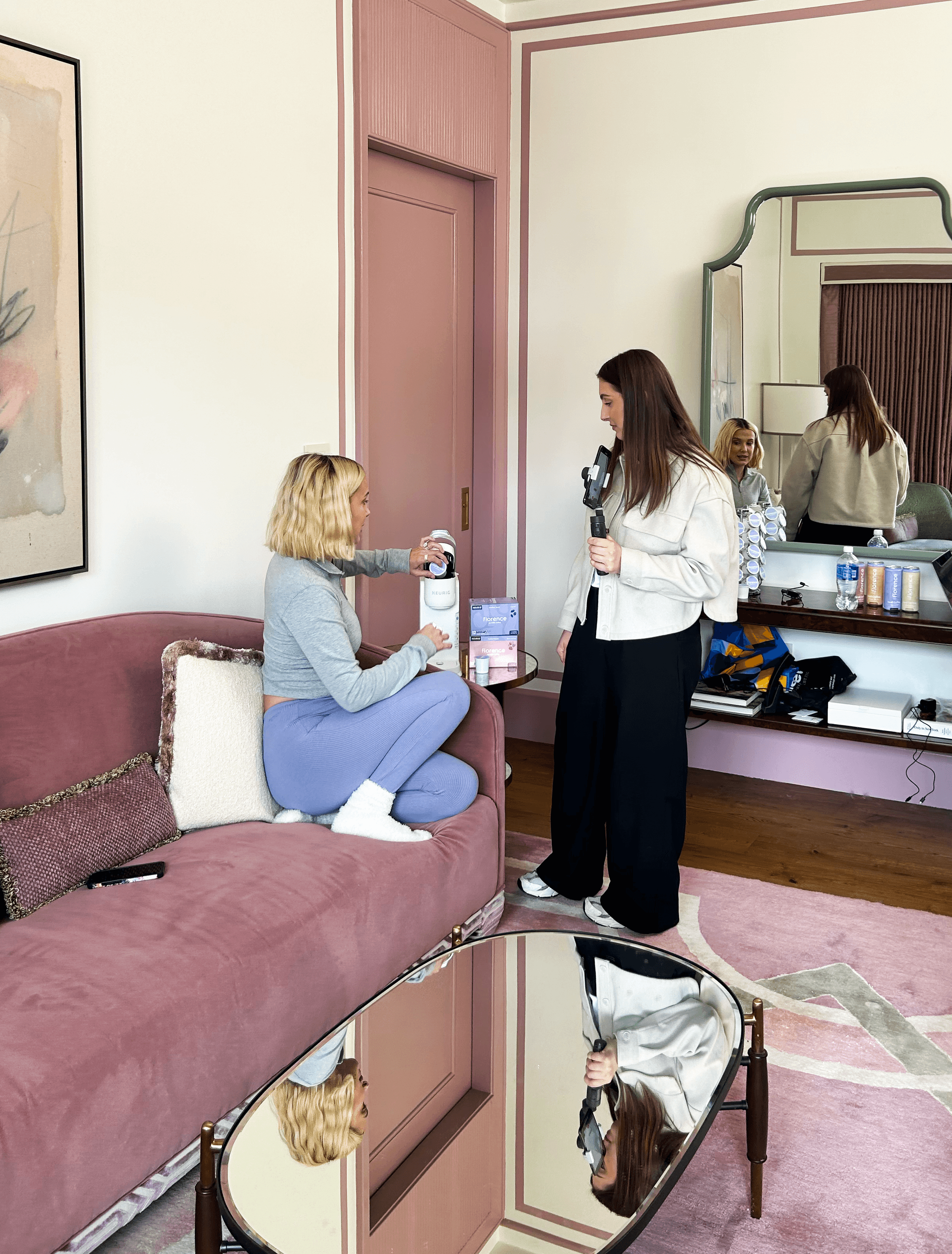
One launch that sticks with me was centred around introducing a new product with a celebrity partner. Everything was planned around a shoot that would anchor the rollout, but right before production, their schedule shifted. In the world of creator-led launches, this kind of unpredictability is just part of the job.
Instead of seeing it as a setback, we used it as a chance to put the spotlight fully on the product itself. We built the shoot around the details: formulation, texture, packaging. This content walked the audience through what actually made the product interesting.
What followed was a good reminder that audiences in the creator economy want more than a headline moment. They want substance. People responded to the product-first storytelling because it gave them something real to connect with. The pivot didn’t weaken the launch. If anything, it made it sharper.
The Takeaway
Creator-led launches are never going to follow a perfectly straight line. Over time, I’ve learned that the goal isn’t to eliminate that unpredictability. It’s to build enough structure to support it while keeping the product and the audience at the centre of every decision.
The launches that land best aren’t the ones that stuck rigidly to the original plan. They’re the ones where we adapted quickly, made thoughtful decisions in the moment, and stayed open to evolving with the market. In this space, flexibility isn’t a backup plan. It’s part of the strategy from day one.
Picture this: You’re deep into a major project. Everything’s humming along, milestones being checked off, Gantt charts looking great. This is the flow state of the corporate world. And then it happens. A dark cloud drifts in, labelled ‘new social media trend’, ‘ingredient shortage’ ‘last-minute packaging change’ or ‘an influencer changing their mind at the eleventh hour’.
Most project managers would shudder. Usually, I would too. But in the creator world, that’s when things get interesting.
In this blog, I’ll share what it’s really like behind the scenes at COLLAB: how we navigate the unpredictable and how we turn pivots into wins.
By the end, you’ll see why ‘scope creep’ isn’t the enemy. It’s just part of what makes creator-led launches fast-moving and, when handled right, incredibly rewarding.
Ditching the Textbook (The Traditional PM Trap)
When I first started overseeing celebrity and creator-led brand launches, I quickly realised the traditional project management rulebook I’d relied on was more of a suggestion. Rigid timelines and Gantt charts can work in corporate projects, but in the creator world? They’re outdated. Creators move fast, trends shift, and inspiration hits at the most unexpected of times. If we stuck strictly to the textbook, launches would either miss the mark or feel stale by the time they went live.
Don’t get it twisted: flexibility isn’t compromising, it’s strategy. I’ve learned to lean into the chaos and treat ‘scope creep’ as a signal that something in the project needs to evolve. Instead of fearing change, at COLLAB, we build systems that adapt with it. Cross-functional teams, open communication, and workflows designed to pivot without breaking are my winning formula.
It’s not easy, and it definitely wasn’t what my project management courses taught me. Yes, the traditional playbook might keep you safe, but in this environment, ditching it when needed is what keeps us relevant.
Launching in a World That Won’t Wait
In the creator world, trends move at lightning speed and they don’t wait for a launch schedule. One week, a flavour is on trend. The next, TikTok has hyperfixated on something new (although it feels as though we’re not loosening our grip on pistachio anytime soon). Sometimes a platform update drops, a competitor launches something annoyingly similar, or a creator’s audience suddenly resonates with a different aesthetic. And then there are even bigger curveballs, like a celebrity’s schedule shifting at the last minute.
Instead of panicking, I take it as a signal. I ask myself whether the change gets us closer to the audience or makes the product feel more relevant. If yes, we lean in and pivot. If not, we stay the course. The tricky part is figuring out quickly what actually matters and ignoring everything else that could pull focus.
It can be a lot to keep up with, but that’s part of what keeps the work engaging. Watching trends, keeping an eye on competitors, and really listening to creators helps us keep launches fresh and often ahead of the curve.
Managing the Chaos
Managing creator-led launches means accepting that moving parts are the norm. Regulations, packaging specs, content and schedules are all shifting at once, and the job is less about stopping that movement and more about guiding it.
Clear communication makes the biggest difference. When everyone knows what’s happening, who owns what, and what can shift, last minute changes feel manageable instead of overwhelming.
It also helps to have the right tools in place. Flexible systems, shared calendars, and visual workflows make it easier to adjust quickly without losing sight of the bigger picture.
Just as important is knowing what can and can’t change. Some elements, like content or visuals, are designed to flex. Others, like regulatory approvals or ingredient sourcing, are fixed. Understanding that distinction allows the team to make faster, smarter calls when adjustments are needed.
With the right structure in place, chaos doesn’t slow a launch down. It becomes something you can work with. And sometimes, the unexpected shifts end up strengthening the final result.
When a Pivot Saved the Day
One launch that sticks with me was centred around introducing a new product with a celebrity partner. Everything was planned around a shoot that would anchor the rollout, but right before production, their schedule shifted. In the world of creator-led launches, this kind of unpredictability is just part of the job.
Instead of seeing it as a setback, we used it as a chance to put the spotlight fully on the product itself. We built the shoot around the details: formulation, texture, packaging. This content walked the audience through what actually made the product interesting.
What followed was a good reminder that audiences in the creator economy want more than a headline moment. They want substance. People responded to the product-first storytelling because it gave them something real to connect with. The pivot didn’t weaken the launch. If anything, it made it sharper.
The Takeaway
Creator-led launches are never going to follow a perfectly straight line. Over time, I’ve learned that the goal isn’t to eliminate that unpredictability. It’s to build enough structure to support it while keeping the product and the audience at the centre of every decision.
The launches that land best aren’t the ones that stuck rigidly to the original plan. They’re the ones where we adapted quickly, made thoughtful decisions in the moment, and stayed open to evolving with the market. In this space, flexibility isn’t a backup plan. It’s part of the strategy from day one.