More insights.

SUBSCRIBE TO OUR NEWSLETTER.
Where the COLLAB team shares updates on our latest projects, industry milestones, and expert insights into the rapidly evolving creator economy, brand innovation, and cultural trends shaping consumer behaviour.
I'm a Marketing Executive at COLLAB, and one of my favourite parts of the job is community management. Specifically, taking each brand's tone of voice and figuring out what that actually looks like in the wild.
In the comments. In the replies. At a private Pilates event. Outside Wembley Stadium handing out iced coffee to 90,000 people. You know, the usual.
EVERY BRAND HAS A DIFFERENT PERSONALITY. I HAVE TO KEEP UP.
Every brand I work on comes with a tone of voice document. Great. Useful. A starting point. But a TOV doc written in a meeting room does not automatically translate to a TikTok comment section, and pretending it does is how brands end up sounding like a robot wrote their replies (because one probably did).
My job is taking those guidelines and making them actually work on the channels where the audience lives. TikTok moves fast and has zero patience for anything scripted. Instagram is more considered, the aesthetic matters. Same brand, same values, different application.
SIDES Coffee is the perfect example. The TOV is witty, a bit lad-ish, and built around the Sidemen's audience. That means replying like a mate, not a marketing department. The moment it starts sounding corporate, the game is up. Getting it wrong stands out immediately, trust me, the community notices.
Getting this right is genuinely one of my favourite parts of the job. Finding the moments between posts where the brand either shows up as something real or just disappears into the algorithm.
THE BEST PART? WHEN THE BRAND'S PERSONALITY AND MINE ACTUALLY OVERLAP
The mistake I see a lot is brands treating their community presence like an extension of the creator's personal feed. Reposting what they posted. Commenting what they would comment. Cheering from the sidelines like a fan account.
That's not community management. That's just following someone around.
What I've learned is that sometimes the most effective thing you can do is add a bit of yourself to the brand. Not in a way that makes it about you, but in a way that makes it feel alive. Because the more natural it is to you, the more natural it sounds to the community.
When you find a brand whose TOV genuinely clicks with you as a person, the replies stop feeling like work. It's easy to write a comment that makes someone genuinely laugh. Easy to jump into a trending moment with a reply that sounds exactly like something the audience would say themselves. Easy to show up with a presence that feels real, because the person behind it actually is.
The community feels that. You can't fake the difference between someone who is genuinely enjoying it and someone just going through the motions.
The goal is a brand with its own reasons for people to show up. Its own tone, its own relationships, its own running jokes in the comments, whether the creator posted that day or not. When that's working, the brand stops being a storefront attached to a creator and starts being something the community actually belongs to.
COMMUNITY ISN'T JUST ONLINE
Building a brand community in 2026 isn’t only a digital job. Some of the best community moments happen in real life.
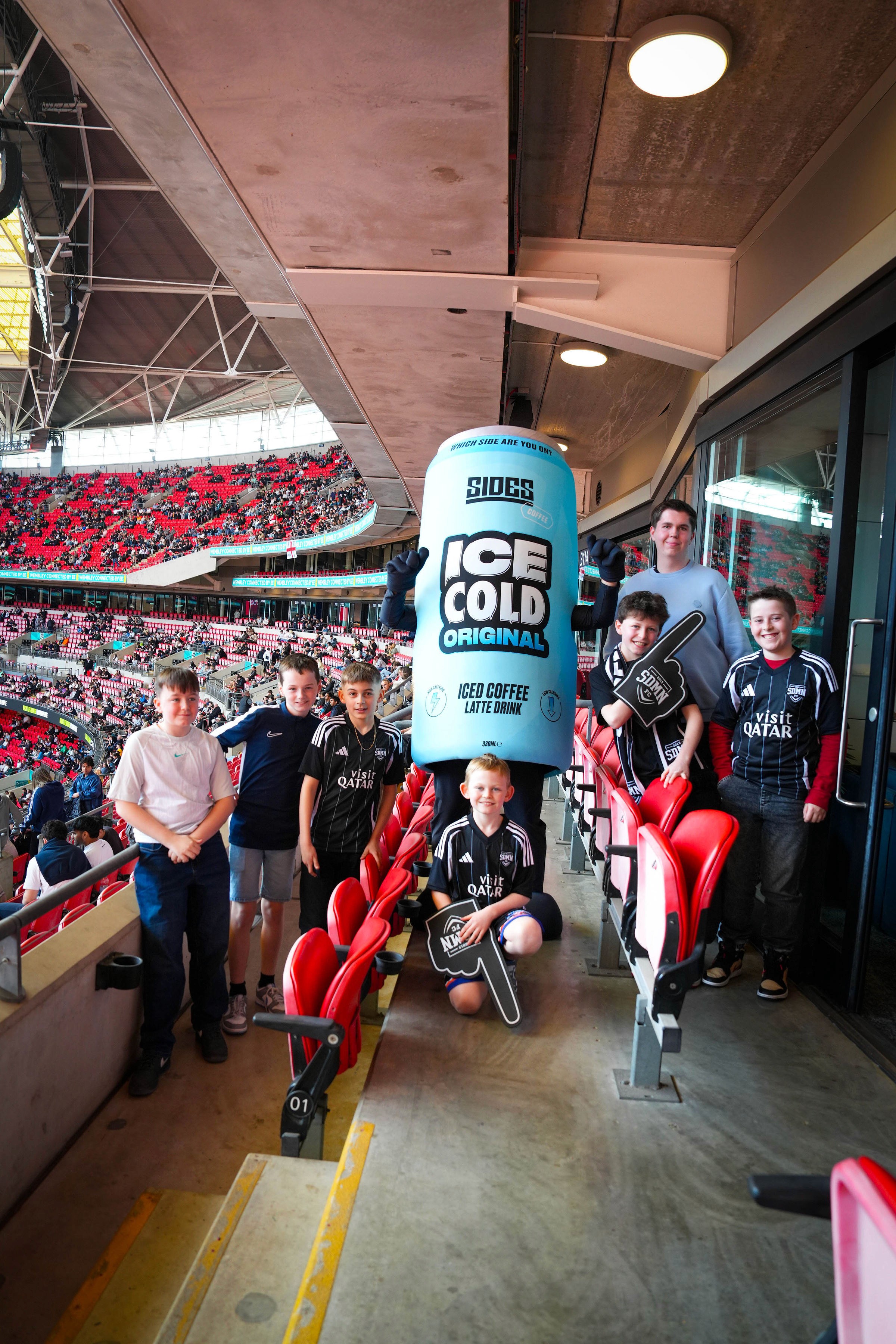
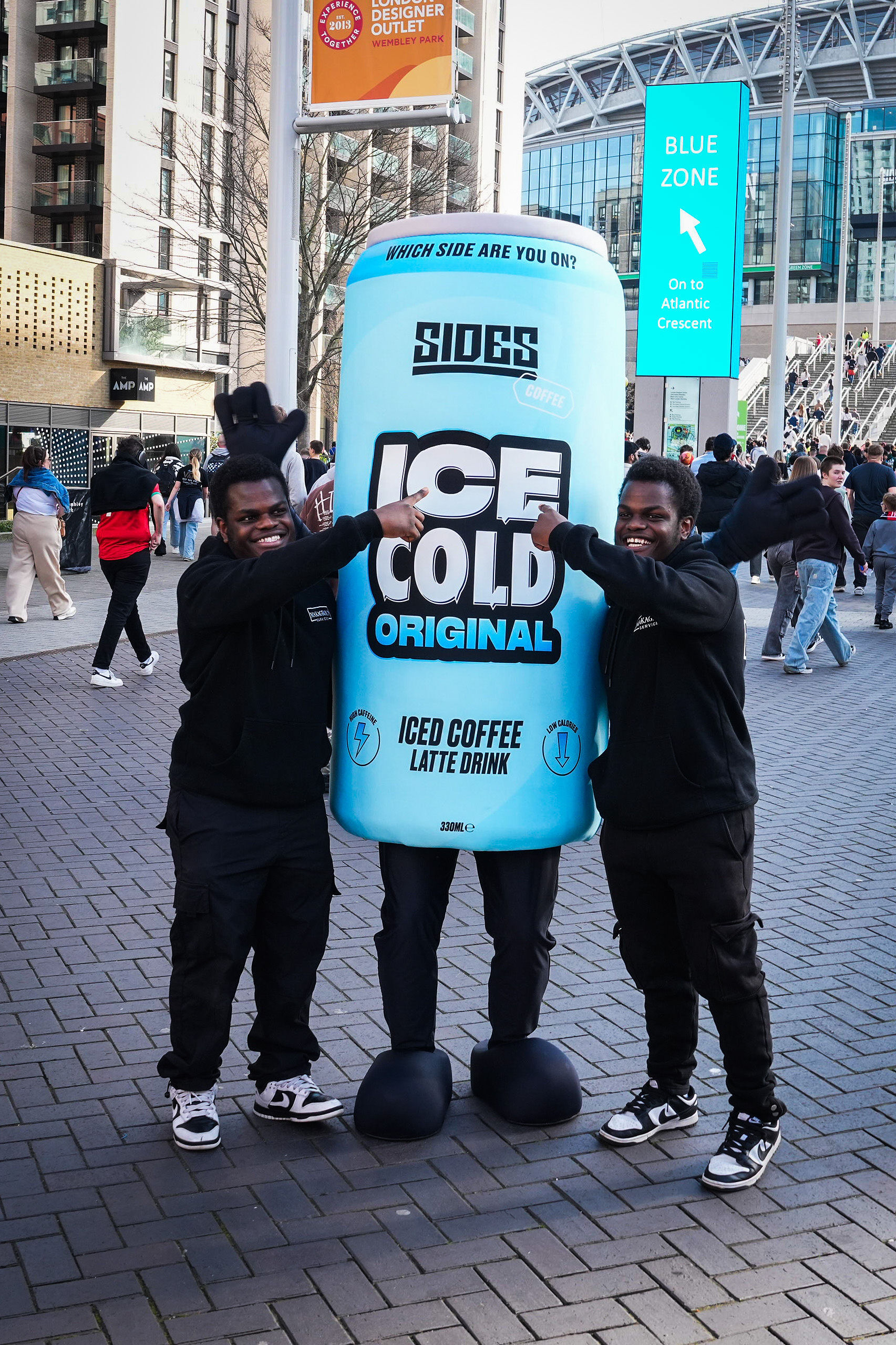
The Sidemen Charity Match at Wembley. 90,000 people, the whole internet losing it, and I'm there on the ground handing out SIDES Coffee to fans before they go in. That's not just a sampling activity, that's the brand physically showing up at the moment its community cares about most. Those people didn't just try a product, they tried it at Wembley, with their mates, on one of the best days of their year. That association sticks.
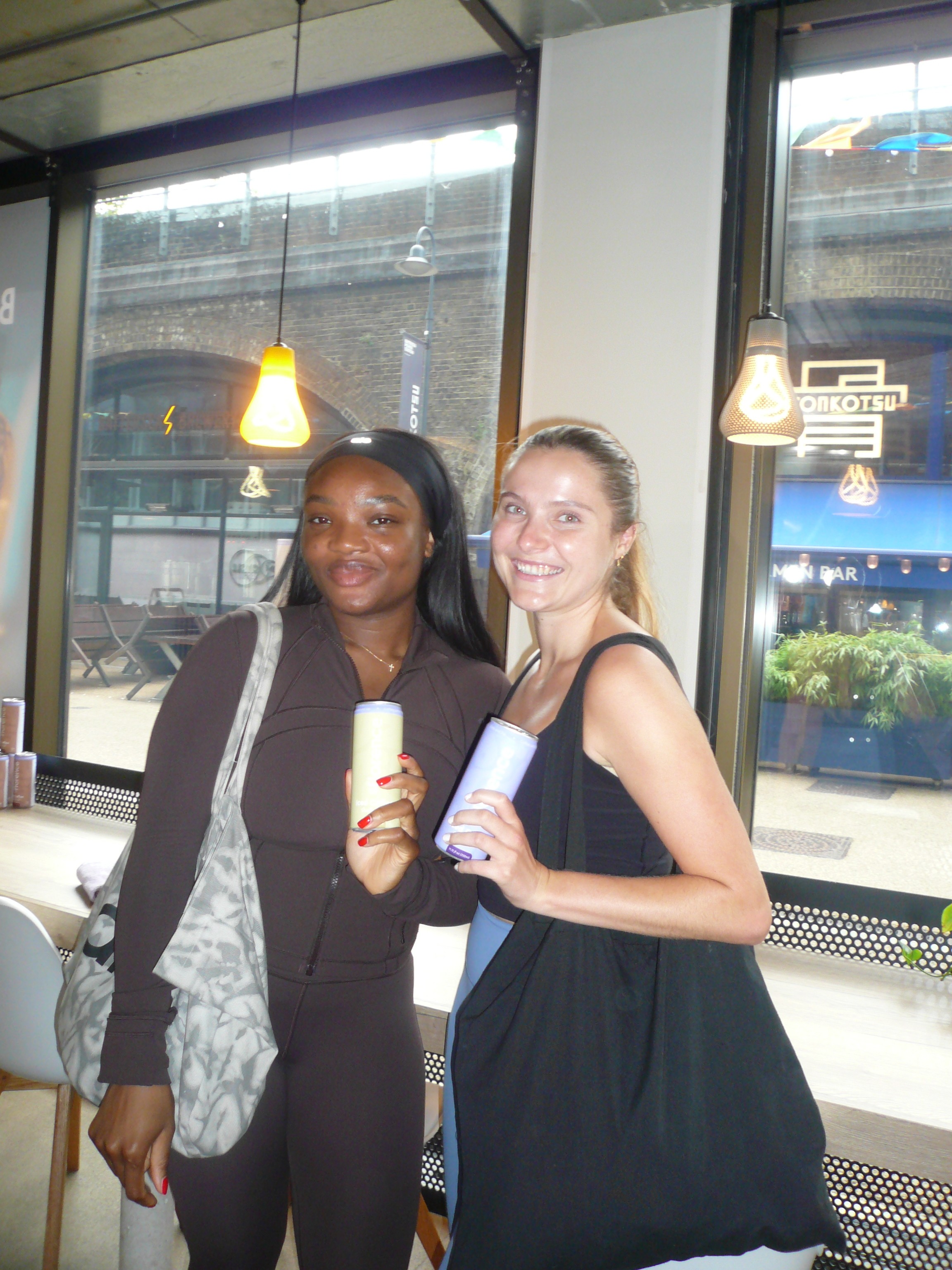
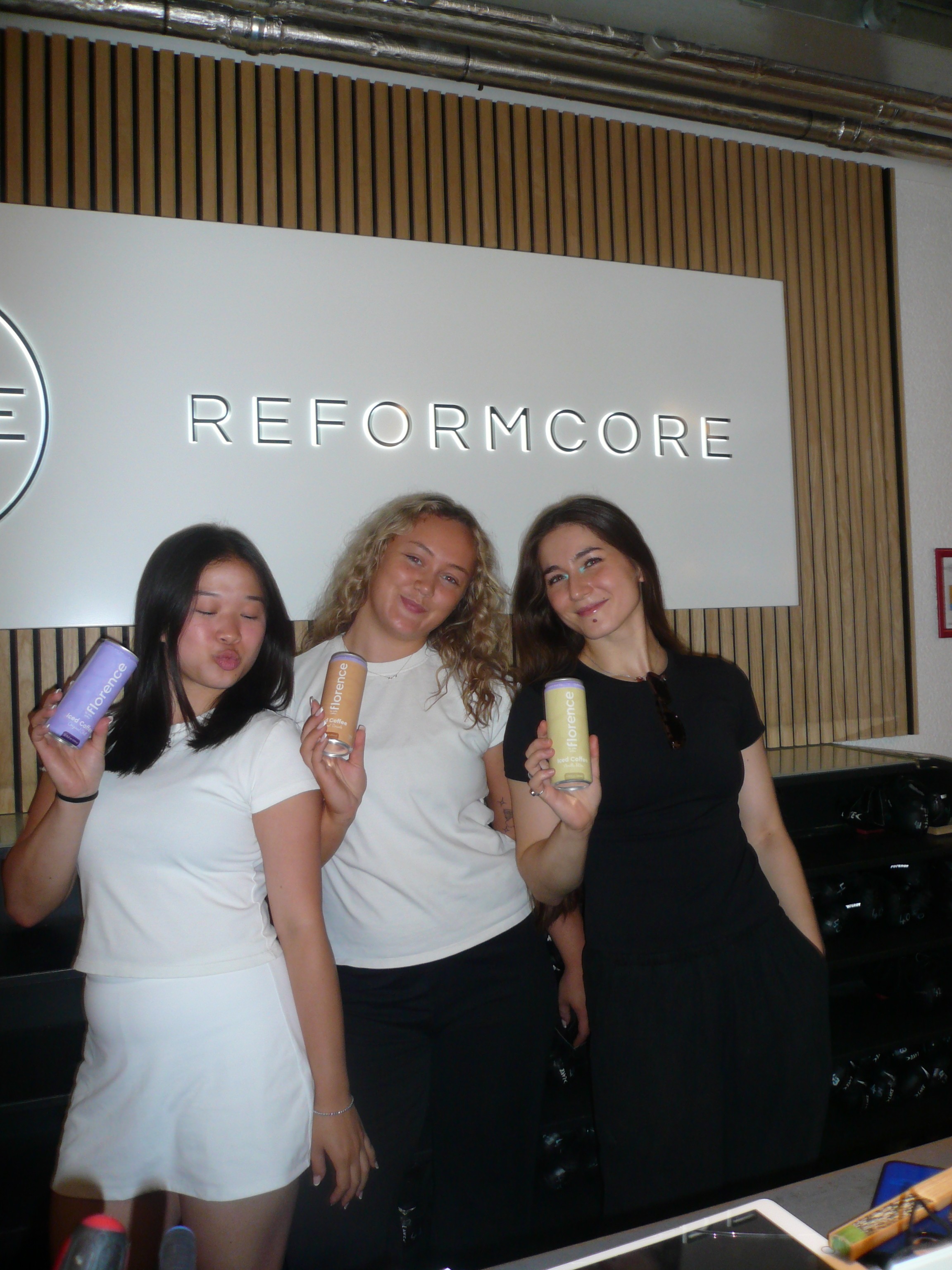
We've done Pilates events, street shoots, interviews, product handouts. Private broadcast channels where the community gets access to things the general feed doesn't. These touch points are all doing the same thing, they're building a space where the community feels like they're on the inside.
The digital outpost and the real-world moments have to work together. When they do, the community starts to feel genuinely independent of whether the creator posted that day or not. It has its own life. That's when you know it's working.
That independence is actually the goal. A lot of brand communities only exist because the creator posted that day. The moment the feed goes quiet, the community goes quiet too. What we're building is a space that has its own momentum. Private broadcast channels where members get access to things the general feed never sees. Real world moments that create memories attached to the product rather than just the person. Conversations in the comments that the community is having with each other, not just with the brand. When that's happening, you've built something that doesn't rely on the algorithm to keep it alive.
THE DIFFERENCE BETWEEN A FAN AND AN ADVOCATE
A fan loves the creator. They watch every video, follow every platform, buy a product because their favourite person told them to. That's the starting point, but it's not the goal.
An advocate loves the product. They text their group chat about it unprompted. They're in their local shop telling a stranger to try it. They post about it with no code, no incentive, no ask. They've stopped supporting a person and started believing in what that person built. That's a completely different thing.
Everything I do is trying to nudge people towards that second version.
The first step is knowing who's already close. But how do you stop them? They're usually the people defending the brand before I've even seen the comment. Answering other people's questions like they work here. Clocking a new flavour or a packaging change before we've even announced it properly.
Those are the people I want to talk to. And the worst thing I could do is immediately ask them for something. No gifting pitch, no UGC request, nothing transactional. Just a reply that proves a real person actually read what they wrote.
That's it. That's the whole tactic. Because once someone feels genuinely seen by a brand, they don't just stay a customer. They start talking about it like it belongs to them too. They become the person in the group chat, in the shop, in the comments doing my job for me.
That's how you build a community rather than just a follower count.
WHY GENUINE BEATS AUTOMATED EVERY TIME
At COLLAB we use AI in parts of our process. Customer support has smart systems in place and that works well. I'm not anti-technology.
But automating community management is where I'd push back.
Because I've seen what it looks like in practice. A brand replies in three seconds with something vaguely relevant that clearly didn't read the comment. The audience clocks it immediately. It doesn't just feel lazy, it actively damages trust. And once you've lost that audience, you're not getting them back.
Automated replies close conversations. Genuine replies start them.
When someone comments about a pain point, asks an honest question, or shares something personal that connects them to the brand, that deserves a real response from a real person. The whole "community" part of community management only works if there's a human doing it. Wild concept, I know.
THE HUMAN LAYER IS THE ONLY THING THAT ACTUALLY LASTS
AI can generate content. Schedule posts. Draft captions. Analyse performance. All useful.
But there's one thing it genuinely cannot replicate. The feeling that a real person actually noticed you.
A genuine reply, one that clearly read the comment and actually responded to it, is the thing that makes someone screenshot it and send it to their mates. The thing that turns a casual customer into someone who talks about the brand like it belongs to them too.
If you're just talking at your community, you don't have one. You have an audience. There's a difference, and it shows.
The brands investing in the human layer in 2026, authentic people developing authentic TOV for the channels where their audience actually shows up, showing up in the comments and at the events and in the DMs, are the ones that will still be building something in 2027. The ones that don't? We've all seen how that plays out.
The brands that understand this are building something that compounds. Every genuine reply, every real moment, every fan who crosses into advocate territory adds to this. That's not a content strategy. That's a community.
If any of this sounds like something your brand is missing, you know where to find us.
I'm a Marketing Executive at COLLAB, and one of my favourite parts of the job is community management. Specifically, taking each brand's tone of voice and figuring out what that actually looks like in the wild.
In the comments. In the replies. At a private Pilates event. Outside Wembley Stadium handing out iced coffee to 90,000 people. You know, the usual.
EVERY BRAND HAS A DIFFERENT PERSONALITY. I HAVE TO KEEP UP.
Every brand I work on comes with a tone of voice document. Great. Useful. A starting point. But a TOV doc written in a meeting room does not automatically translate to a TikTok comment section, and pretending it does is how brands end up sounding like a robot wrote their replies (because one probably did).
My job is taking those guidelines and making them actually work on the channels where the audience lives. TikTok moves fast and has zero patience for anything scripted. Instagram is more considered, the aesthetic matters. Same brand, same values, different application.
SIDES Coffee is the perfect example. The TOV is witty, a bit lad-ish, and built around the Sidemen's audience. That means replying like a mate, not a marketing department. The moment it starts sounding corporate, the game is up. Getting it wrong stands out immediately, trust me, the community notices.
Getting this right is genuinely one of my favourite parts of the job. Finding the moments between posts where the brand either shows up as something real or just disappears into the algorithm.
THE BEST PART? WHEN THE BRAND'S PERSONALITY AND MINE ACTUALLY OVERLAP
The mistake I see a lot is brands treating their community presence like an extension of the creator's personal feed. Reposting what they posted. Commenting what they would comment. Cheering from the sidelines like a fan account.
That's not community management. That's just following someone around.
What I've learned is that sometimes the most effective thing you can do is add a bit of yourself to the brand. Not in a way that makes it about you, but in a way that makes it feel alive. Because the more natural it is to you, the more natural it sounds to the community.
When you find a brand whose TOV genuinely clicks with you as a person, the replies stop feeling like work. It's easy to write a comment that makes someone genuinely laugh. Easy to jump into a trending moment with a reply that sounds exactly like something the audience would say themselves. Easy to show up with a presence that feels real, because the person behind it actually is.
The community feels that. You can't fake the difference between someone who is genuinely enjoying it and someone just going through the motions.
The goal is a brand with its own reasons for people to show up. Its own tone, its own relationships, its own running jokes in the comments, whether the creator posted that day or not. When that's working, the brand stops being a storefront attached to a creator and starts being something the community actually belongs to.
COMMUNITY ISN'T JUST ONLINE
Building a brand community in 2026 isn’t only a digital job. Some of the best community moments happen in real life.
The Sidemen Charity Match at Wembley. 90,000 people, the whole internet losing it, and I'm there on the ground handing out SIDES Coffee to fans before they go in. That's not just a sampling activity, that's the brand physically showing up at the moment its community cares about most. Those people didn't just try a product, they tried it at Wembley, with their mates, on one of the best days of their year. That association sticks.
We've done Pilates events, street shoots, interviews, product handouts. Private broadcast channels where the community gets access to things the general feed doesn't. These touch points are all doing the same thing, they're building a space where the community feels like they're on the inside.
The digital outpost and the real-world moments have to work together. When they do, the community starts to feel genuinely independent of whether the creator posted that day or not. It has its own life. That's when you know it's working.
That independence is actually the goal. A lot of brand communities only exist because the creator posted that day. The moment the feed goes quiet, the community goes quiet too. What we're building is a space that has its own momentum. Private broadcast channels where members get access to things the general feed never sees. Real world moments that create memories attached to the product rather than just the person. Conversations in the comments that the community is having with each other, not just with the brand. When that's happening, you've built something that doesn't rely on the algorithm to keep it alive.
THE DIFFERENCE BETWEEN A FAN AND AN ADVOCATE
A fan loves the creator. They watch every video, follow every platform, buy a product because their favourite person told them to. That's the starting point, but it's not the goal.
An advocate loves the product. They text their group chat about it unprompted. They're in their local shop telling a stranger to try it. They post about it with no code, no incentive, no ask. They've stopped supporting a person and started believing in what that person built. That's a completely different thing.
Everything I do is trying to nudge people towards that second version.
The first step is knowing who's already close. But how do you stop them? They're usually the people defending the brand before I've even seen the comment. Answering other people's questions like they work here. Clocking a new flavour or a packaging change before we've even announced it properly.
Those are the people I want to talk to. And the worst thing I could do is immediately ask them for something. No gifting pitch, no UGC request, nothing transactional. Just a reply that proves a real person actually read what they wrote.
That's it. That's the whole tactic. Because once someone feels genuinely seen by a brand, they don't just stay a customer. They start talking about it like it belongs to them too. They become the person in the group chat, in the shop, in the comments doing my job for me.
That's how you build a community rather than just a follower count.
WHY GENUINE BEATS AUTOMATED EVERY TIME
At COLLAB we use AI in parts of our process. Customer support has smart systems in place and that works well. I'm not anti-technology.
But automating community management is where I'd push back.
Because I've seen what it looks like in practice. A brand replies in three seconds with something vaguely relevant that clearly didn't read the comment. The audience clocks it immediately. It doesn't just feel lazy, it actively damages trust. And once you've lost that audience, you're not getting them back.
Automated replies close conversations. Genuine replies start them.
When someone comments about a pain point, asks an honest question, or shares something personal that connects them to the brand, that deserves a real response from a real person. The whole "community" part of community management only works if there's a human doing it. Wild concept, I know.
THE HUMAN LAYER IS THE ONLY THING THAT ACTUALLY LASTS
AI can generate content. Schedule posts. Draft captions. Analyse performance. All useful.
But there's one thing it genuinely cannot replicate. The feeling that a real person actually noticed you.
A genuine reply, one that clearly read the comment and actually responded to it, is the thing that makes someone screenshot it and send it to their mates. The thing that turns a casual customer into someone who talks about the brand like it belongs to them too.
If you're just talking at your community, you don't have one. You have an audience. There's a difference, and it shows.
The brands investing in the human layer in 2026, authentic people developing authentic TOV for the channels where their audience actually shows up, showing up in the comments and at the events and in the DMs, are the ones that will still be building something in 2027. The ones that don't? We've all seen how that plays out.
The brands that understand this are building something that compounds. Every genuine reply, every real moment, every fan who crosses into advocate territory adds to this. That's not a content strategy. That's a community.
If any of this sounds like something your brand is missing, you know where to find us.