

More insights.


SUBSCRIBE TO OUR NEWSLETTER.
Where the COLLAB team shares updates on our latest projects, industry milestones, and expert insights into the rapidly evolving creator economy, brand innovation, and cultural trends shaping consumer behaviour.
Christmas 2025 feels different.
Not because traditional brands suddenly cracked it, but because creator and celebrity-owned brands continued to play a different game entirely. They did not treat December like a sales window. They treated it like a cultural season.
The brands that stood out were not shouting “buy now”. They were creating moments, rituals and reasons to show up. Founders were front and centre. Content did the heavy lifting. Products were designed to be gifted without friction.
Here is a round-up of the festive activations that really mattered this year, and what they teach anyone building a creator-owned brand.
SKIMS “Kimsmas” turned live shopping into a Christmas special
SKIMS set the benchmark.
Kimsmas was not just a TikTok Live. It was structured like a modern Christmas TV special. Clear format. Exclusive bundles. Gifting hooks. Giveaways. Kim hosting the moment herself.
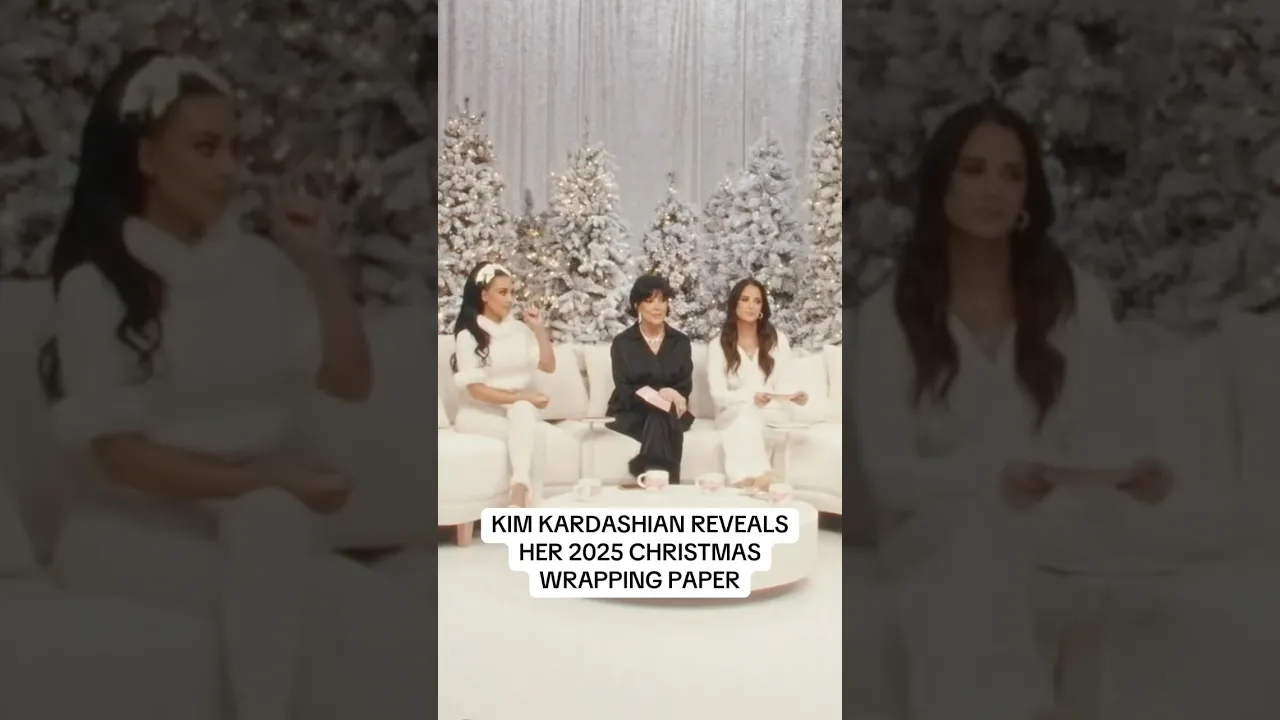
What really made it land, though, was how wonderfully hectic it felt. It had that slightly chaotic, high-energy Christmas-at-home feel that made it human rather than polished to death. Even down to the detail of Kim introducing her own SKIMS wrapping, it showed a genuine level of care and attention. Not just selling products, but thinking through the entire gifting experience end to end.
This was not “watch us sell products”. It was “come be part of something happening right now”.
Most brands compete for attention in December. SKIMS created an appointment.
The lesson here is simple. Creator-owned brands can build programming, not just promotions. A festive live show with structure, personality and thoughtful detail will always outperform scattered posts and generic ads.
MrBeast and Feastables showed how festive content drives real growth
If SKIMS showed how to turn Christmas into a show, MrBeast showed how to turn it into momentum.
Feastables did not invent a Christmas strategy from scratch. They extended the system that already works all year. High-energy content. Anticipation. Scarcity. Shareability.
Holiday-specific products and packaging became fuel for content, not the other way around.
This is the key difference. Feastables does not rely on festive advertising to drive awareness. The audience already exists. Christmas simply amplifies it.
MrBeast’s festive content cadence trains his audience to expect participation. Buying is not the end goal. Being part of the moment is.
The lesson is clear. The best festive campaigns do not interrupt content. They are the content.

Advent mechanics turned December into a content schedule
One of the strongest patterns this year was the rise of advent-style mechanics.
Brands like Kylie Cosmetics leaned into “12 days” formats, countdown drops, daily reveals and limited holiday sets. This was not about novelty packaging. It was about structure.
December is the hardest month for most teams. Everyone asks the same question. What do we post today?
Advent mechanics answer that in advance. They create daily anticipation, repeat visits, and urgency without relying on heavy discounting.
They also give teams a reason to show up consistently throughout the month.
The lesson here is operational as much as creative. Advent calendars are not just festive. They turn the busiest month of the year into a manageable publishing system.
SpudBros showed how purpose can compound brand growth
One of the most genuinely impactful festive stories this year came from the UK.
SpudBros, a creator-led food brand built on personality and community, ran a Christmas campaign focused on raising money for dementia charities. It did not feel performative or bolted on. It felt aligned with who they are and why people follow them.
What is impressive is how quickly their success is compounding. Strong food product. Relentless creator content. Community-first mindset. And now meaningful cause-led moments.
Their Christmas campaign did not dilute the brand. It strengthened trust, visibility and long-term loyalty.
The lesson here is important. Creator-owned brands do not have to choose between growth and purpose. When values are real, festive campaigns can do both.

Bundles and gifting architecture did the real creative work
Another quiet winner this Christmas was something less glamorous but incredibly effective. Gifting structure.
Brands like rhode and Rare Beauty leaned heavily into sets, minis, kits and clear gifting logic. Under £25. Under £50. Stocking fillers. Party prep. Gifts for yourself.
This is not boring merchandising. It is empathy.
At Christmas, people do not want more choice. They want help deciding. Creator brands excel here because they already speak like humans. They guide rather than push.
The lesson is simple. Holiday creative is not just imagery. It is how products are packaged, grouped and framed.
Founder voice still wins when it is genuine
The final thread running through the strongest festive activations was founder presence.
Not as an advert. As a voice.
Whether it was Kim hosting, MrBeast building moments, Kylie shaping lifestyle or SpudBros showing heart, the common denominator was ownership.
Christmas is social and emotional. People do not just buy gifts. They buy stories they are happy to pass on.
The lesson here is one most brands still struggle with. Founder-led brands do not need to sell harder at Christmas. They need to share better.
What Christmas 2025 really taught us
If this year proved anything, it is that creator-owned brands are structurally built to win the festive period.
The playbook is becoming clear.
Turn Christmas into a format, not a campaign.
Design products to be gifted effortlessly.
Let content lead commerce, not the other way around.
Anchor everything in founder voice and values.
That is why creator-owned brands keep winning December. They are not renting attention. They are compounding it.
A final note from the COLLAB team
As we wrap up the year, I just want to say thank you.
To the founders, creators and partners building bravely in this space. To the teams behind the scenes making these brands work. And to everyone pushing creator-owned brands forward properly.

We finished our year doing what we do best. Getting together, having a laugh, and celebrating the people behind the brands. (Yes, that included EXTREMELY competitive go-karting and festive chaos!)
From all of us at COLLAB, Merry Christmas!
Here is to building even better, braver creator brands in 2026.
Christmas 2025 feels different.
Not because traditional brands suddenly cracked it, but because creator and celebrity-owned brands continued to play a different game entirely. They did not treat December like a sales window. They treated it like a cultural season.
The brands that stood out were not shouting “buy now”. They were creating moments, rituals and reasons to show up. Founders were front and centre. Content did the heavy lifting. Products were designed to be gifted without friction.
Here is a round-up of the festive activations that really mattered this year, and what they teach anyone building a creator-owned brand.
SKIMS “Kimsmas” turned live shopping into a Christmas special
SKIMS set the benchmark.
Kimsmas was not just a TikTok Live. It was structured like a modern Christmas TV special. Clear format. Exclusive bundles. Gifting hooks. Giveaways. Kim hosting the moment herself.
What really made it land, though, was how wonderfully hectic it felt. It had that slightly chaotic, high-energy Christmas-at-home feel that made it human rather than polished to death. Even down to the detail of Kim introducing her own SKIMS wrapping, it showed a genuine level of care and attention. Not just selling products, but thinking through the entire gifting experience end to end.
This was not “watch us sell products”. It was “come be part of something happening right now”.
Most brands compete for attention in December. SKIMS created an appointment.
The lesson here is simple. Creator-owned brands can build programming, not just promotions. A festive live show with structure, personality and thoughtful detail will always outperform scattered posts and generic ads.
MrBeast and Feastables showed how festive content drives real growth
If SKIMS showed how to turn Christmas into a show, MrBeast showed how to turn it into momentum.
Feastables did not invent a Christmas strategy from scratch. They extended the system that already works all year. High-energy content. Anticipation. Scarcity. Shareability.
Holiday-specific products and packaging became fuel for content, not the other way around.
This is the key difference. Feastables does not rely on festive advertising to drive awareness. The audience already exists. Christmas simply amplifies it.
MrBeast’s festive content cadence trains his audience to expect participation. Buying is not the end goal. Being part of the moment is.
The lesson is clear. The best festive campaigns do not interrupt content. They are the content.
Advent mechanics turned December into a content schedule
One of the strongest patterns this year was the rise of advent-style mechanics.
Brands like Kylie Cosmetics leaned into “12 days” formats, countdown drops, daily reveals and limited holiday sets. This was not about novelty packaging. It was about structure.
December is the hardest month for most teams. Everyone asks the same question. What do we post today?
Advent mechanics answer that in advance. They create daily anticipation, repeat visits, and urgency without relying on heavy discounting.
They also give teams a reason to show up consistently throughout the month.
The lesson here is operational as much as creative. Advent calendars are not just festive. They turn the busiest month of the year into a manageable publishing system.
SpudBros showed how purpose can compound brand growth
One of the most genuinely impactful festive stories this year came from the UK.
SpudBros, a creator-led food brand built on personality and community, ran a Christmas campaign focused on raising money for dementia charities. It did not feel performative or bolted on. It felt aligned with who they are and why people follow them.
What is impressive is how quickly their success is compounding. Strong food product. Relentless creator content. Community-first mindset. And now meaningful cause-led moments.
Their Christmas campaign did not dilute the brand. It strengthened trust, visibility and long-term loyalty.
The lesson here is important. Creator-owned brands do not have to choose between growth and purpose. When values are real, festive campaigns can do both.
Bundles and gifting architecture did the real creative work
Another quiet winner this Christmas was something less glamorous but incredibly effective. Gifting structure.
Brands like rhode and Rare Beauty leaned heavily into sets, minis, kits and clear gifting logic. Under £25. Under £50. Stocking fillers. Party prep. Gifts for yourself.
This is not boring merchandising. It is empathy.
At Christmas, people do not want more choice. They want help deciding. Creator brands excel here because they already speak like humans. They guide rather than push.
The lesson is simple. Holiday creative is not just imagery. It is how products are packaged, grouped and framed.
Founder voice still wins when it is genuine
The final thread running through the strongest festive activations was founder presence.
Not as an advert. As a voice.
Whether it was Kim hosting, MrBeast building moments, Kylie shaping lifestyle or SpudBros showing heart, the common denominator was ownership.
Christmas is social and emotional. People do not just buy gifts. They buy stories they are happy to pass on.
The lesson here is one most brands still struggle with. Founder-led brands do not need to sell harder at Christmas. They need to share better.
What Christmas 2025 really taught us
If this year proved anything, it is that creator-owned brands are structurally built to win the festive period.
The playbook is becoming clear.
Turn Christmas into a format, not a campaign.
Design products to be gifted effortlessly.
Let content lead commerce, not the other way around.
Anchor everything in founder voice and values.
That is why creator-owned brands keep winning December. They are not renting attention. They are compounding it.
A final note from the COLLAB team
As we wrap up the year, I just want to say thank you.
To the founders, creators and partners building bravely in this space. To the teams behind the scenes making these brands work. And to everyone pushing creator-owned brands forward properly.
We finished our year doing what we do best. Getting together, having a laugh, and celebrating the people behind the brands. (Yes, that included EXTREMELY competitive go-karting and festive chaos!)
From all of us at COLLAB, Merry Christmas!
Here is to building even better, braver creator brands in 2026.